Reflexes in the making: intergenerational knowledge flow
A few days ago, my spouse saw apricot pits on the kitchen counter. As he was tossing them into the bin, I stopped him and said we would crack them with a hammer and eat the kernel inside.
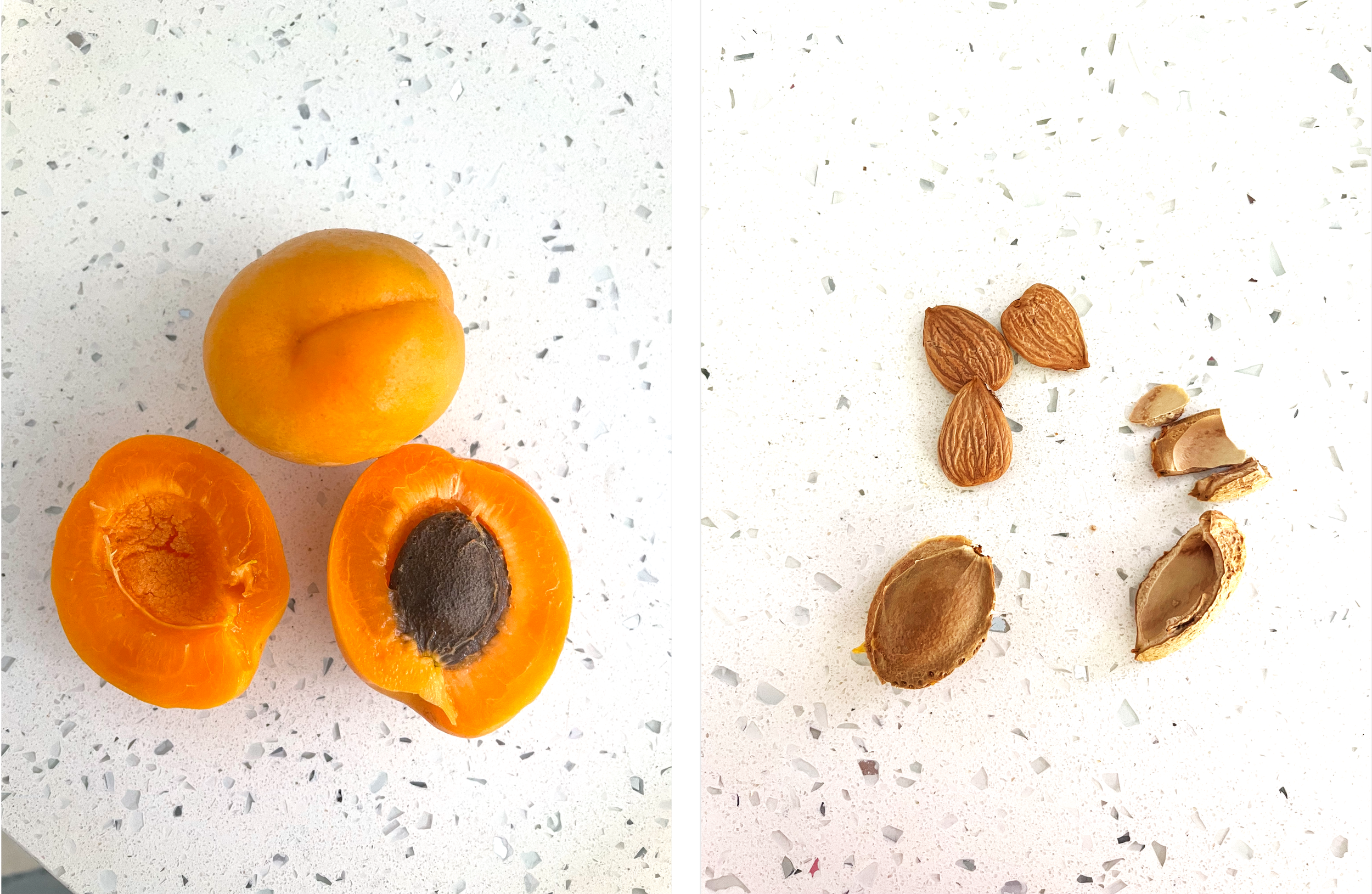
Apricots are delicious inside out.
He was surprised, as he didn’t know this was a thing. A few days later, he saw a peach pit and asked if he should keep that too. I told him this time it was there because I was lazy.
Perhaps not as much as he was, but I too was surprised that he didn’t know you could eat the apricot kernel. Indeed, you can even purchase them, which proves how delicious they are.
Back at my parents’ place, keeping the pits and eating the insides is a typical occurrence. Most likely, this isn’t something you learn by reading books or from TikTok. It is something you see growing up, and without planning, find yourself doing.
This realization got me thinking: what else do we learn from our parents and grandparents that is tacit, and adds meaningful touches to our being in this world? Perhaps some things that we don’t even know that we know, as this knowledge becomes almost a reflex. And more importantly, now that many people follow a more individualistic lifestyle, what are we missing? What small, meaningful acts of knowing are disappearing?
For some, back in the day, and for others still today, parts of life’s natural flow were to be shared. Friends, family, and neighbors formed communities organically and intrinsically. They thrived together. Part of it was also intergenerational, where practices flowed between people.
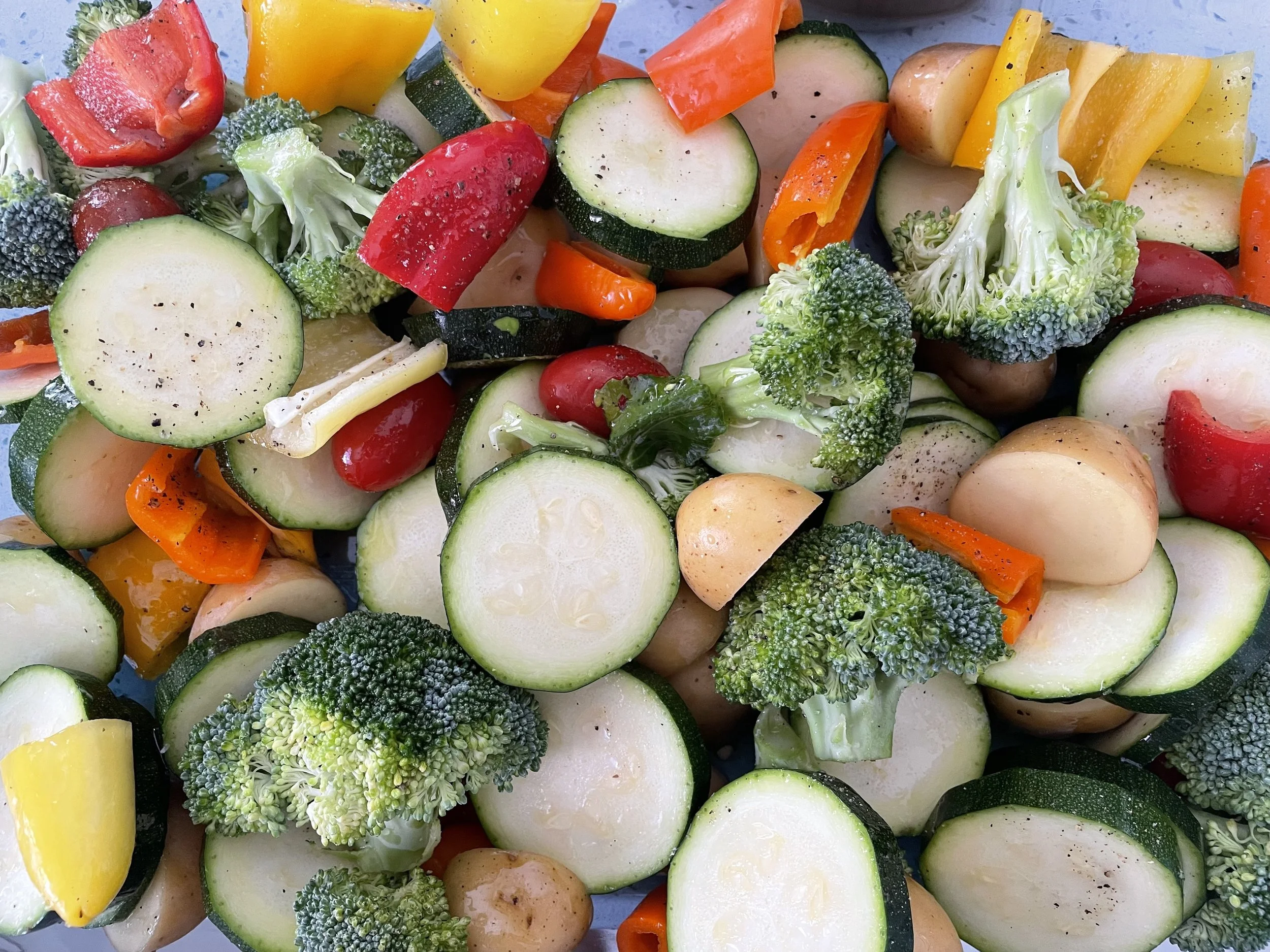
Homemade food is something we learn from each other.
Modern life has changed this dynamic significantly in most parts of the world: people move to large cities for work, spend too much time on obligations, and can’t make time to interact with others. Others have picked up a more individualistic culture where spending too much time with family is labeled as being needy and incapable, even if it makes your life better in a healthy way. Living mostly within the boundaries of a tiny community affects one’s social participation in a variety of ways. One of them is that when the community is formed later in life, it is usually with people who are similar to you, either by age or by interest. And this potentially means that their experiences are similar to yours.
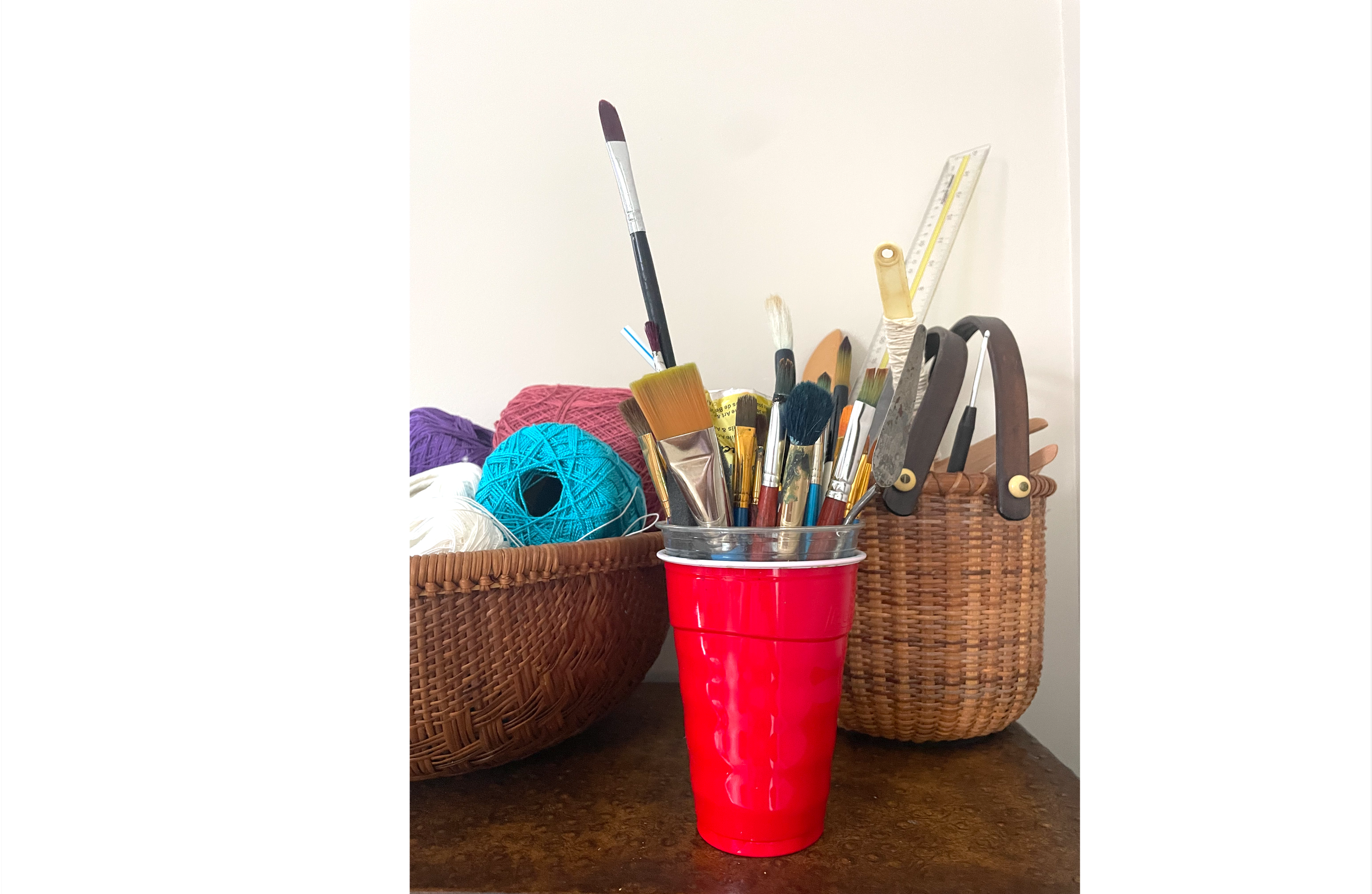
Party cups can have double lives
What a wonderful opportunity to share and learn from each other. But a shortcoming of it is that if what we see is typical of what we experience, it may lead to a limited transfer of knowledge, information, inspiration, and imagination. It limits exposure to diverse knowledge pools, resulting in forgetting the analog life before digital tools and social media took over everything.
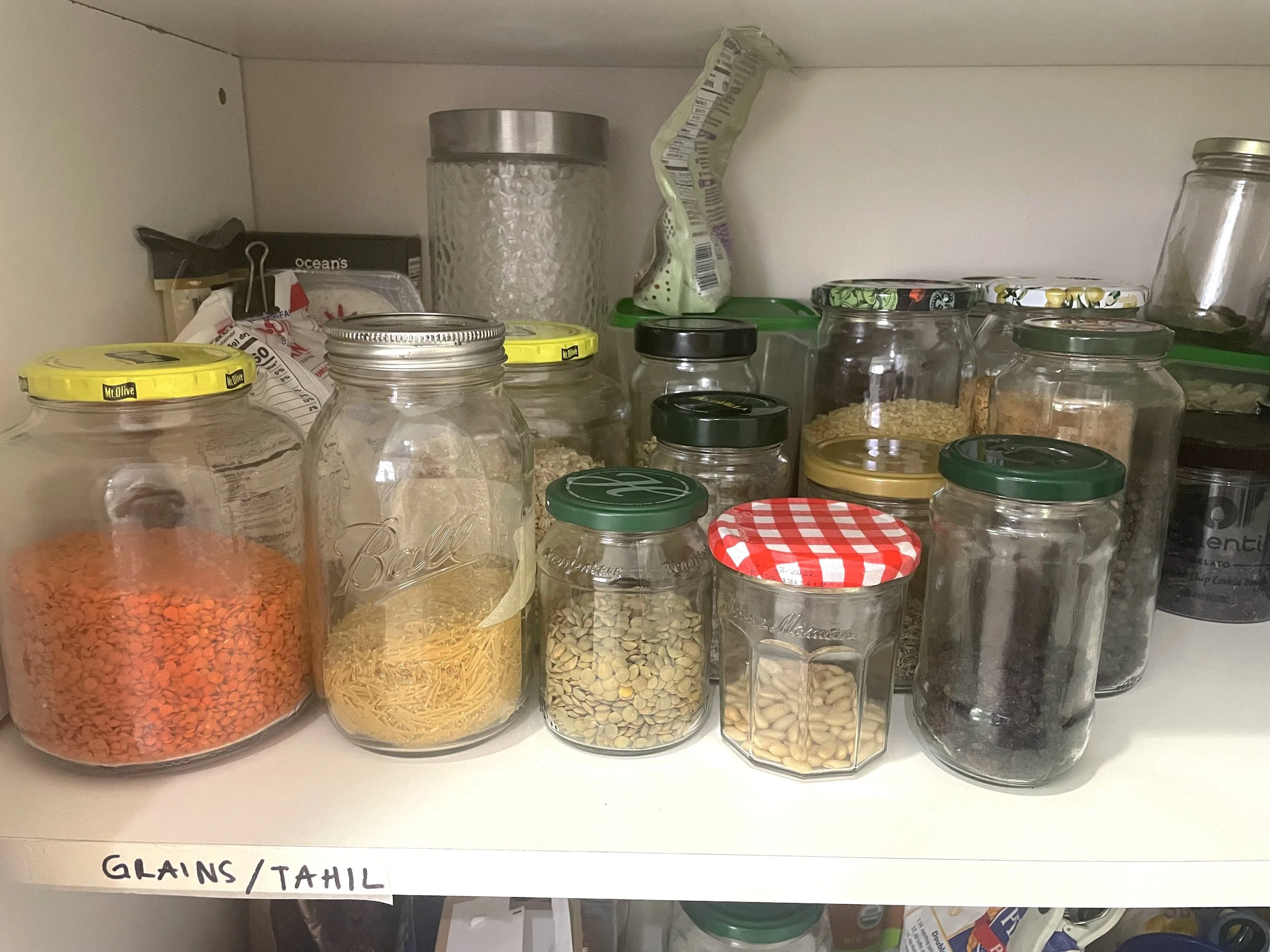
Your pantry doesn’t mind if you don’t have all matching containers, but rather use pickle, jam, or sauce jars.
In the yurt collective, we talk a lot about slowing down, getting together with the natural world, and doing simple things ourselves. This exchange that I mentioned in the beginning made me start thinking: what other things did we inherit from our parents and grandparents, and make part of our library of practices and reflexes? And how do we keep them alive by practicing them so that they become part of the next generation’s library as well? How do we ensure that they too know, before buying something new, they can come up with a makeshift version of it at home? That this thing can be good for more than one purpose, and that they can make it happen? It is empowering to own a mentality that does not plan a shopping trip immediately when in need, but rather find a solution with what you have.
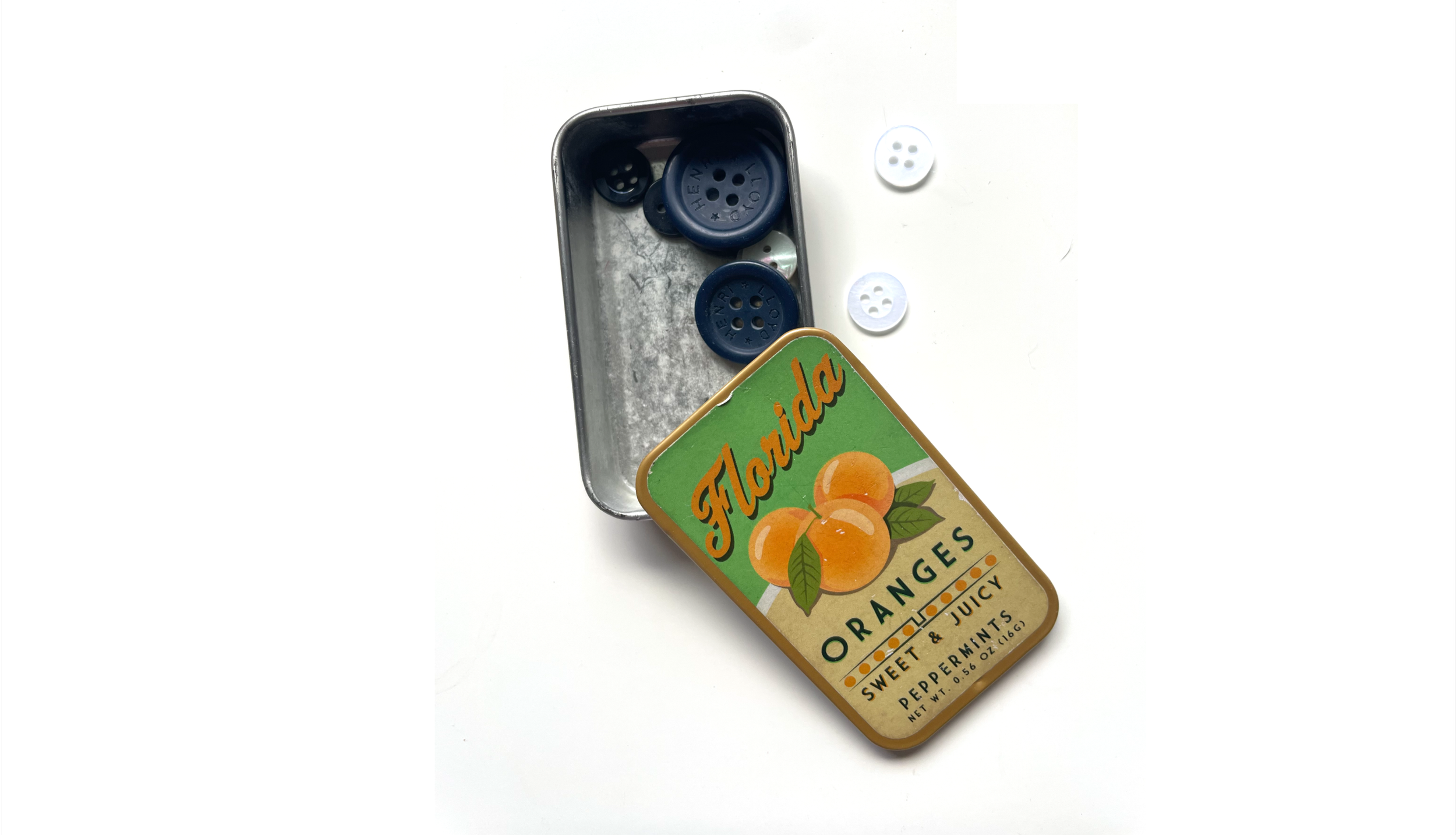
Those extra buttons that come with clothes should be kept, just in case. In a used candy tin, of course.
We develop and transfer social reflexes through interactions between generations. And when those interactions are broken, these reflexes don’t jump between people. Online communities offer a great number of resources to fill the gap, surely. Looking up something as simple as threading a needle will bring up numbers of videos, how-tos, and descriptions in less than a second. The availability of that information is wonderful. But one can’t help but think: what if we don’t even know what to google? What if those internalized, simple practices that made us human are disappearing because the flow is interrupted? What would we be losing? Is this one of the reasons why we are lost in speed and waste?
If so, how do we unclog the barrier, how do we let the flow, flow again?
