From Self-sufficiency to Co-sufficiency, Part 2
Tips to start from somewhere
In the previous essay, we talked about changing perspectives to find the harmony between being a recipient and a provider. Borrowing some wisdom from Rocks, we discussed what if the goal of becoming sufficient is not to become independent but to accept and foster our interdependencies? Then enters the notion co-sufficiency.
Following a similar line of thinking, in this essay we offer some tips. Before getting into them, let’s revisit some learnings from rocks:
Rocks live in communities. They are surrounded by lichens, moss, plants, and soil.
Rocks are open to be with others. Temporarily or permanently, they welcome the company of other beings, like bugs, insects, and humans.
Rocks stand still, quietly. They are content with whatever the environment brings to them. Simply enjoying being there and then.
Rocks change. They let themselves be shaped, and reshaped, and reshaped again by the environment. They enjoy their becoming.
While learnings from rocks might sound simple, rethinking our daily habits can be surprisingly challenging when we are socialized to measure life almost exclusively through human wealth and productivity. But no worries! Here, we have some suggestions. Although they seem too basic, their impact can be quite significant.
Small Steps to Be "More" and "Less" at the Same Time
Nurture your community:
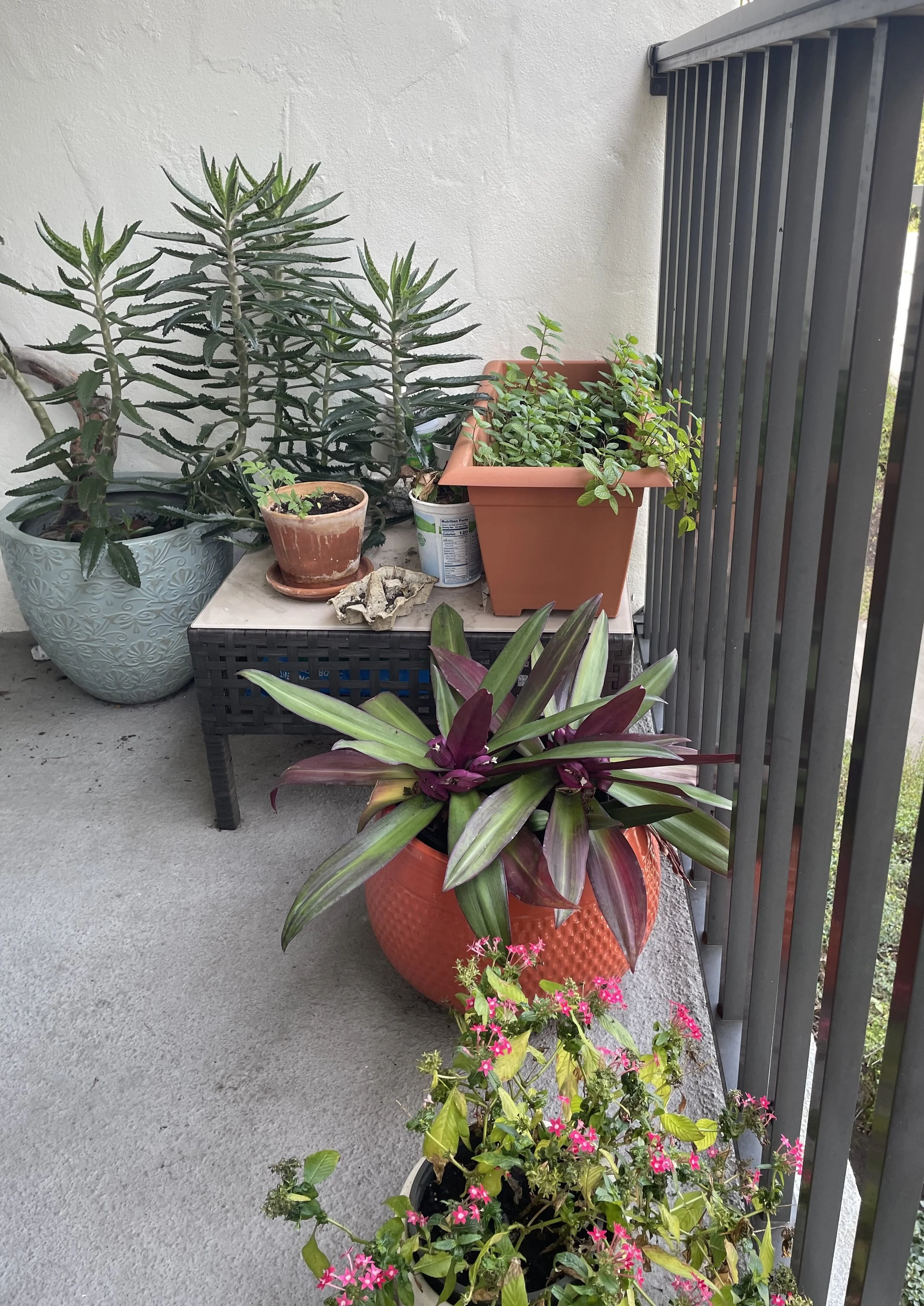
Nurture a plant:
Care for an indoor herb like basil or mint. Or, if you don't have a plant at home, pick a tree in your neighbourhood. Mindfully check in on it every day as you pass by. Observe how this tree changes as the seasons change. And see if you can offer any help, perhaps clean the trash around it if there are any.

Care for an animal:
Maybe check out the local birds, their names, sounds, and biology. Or if there are wild animals around, read up on them; are they endemic, how long do they live? Acknowledge their existence and show your respect to their life.
Be open to the company of others.
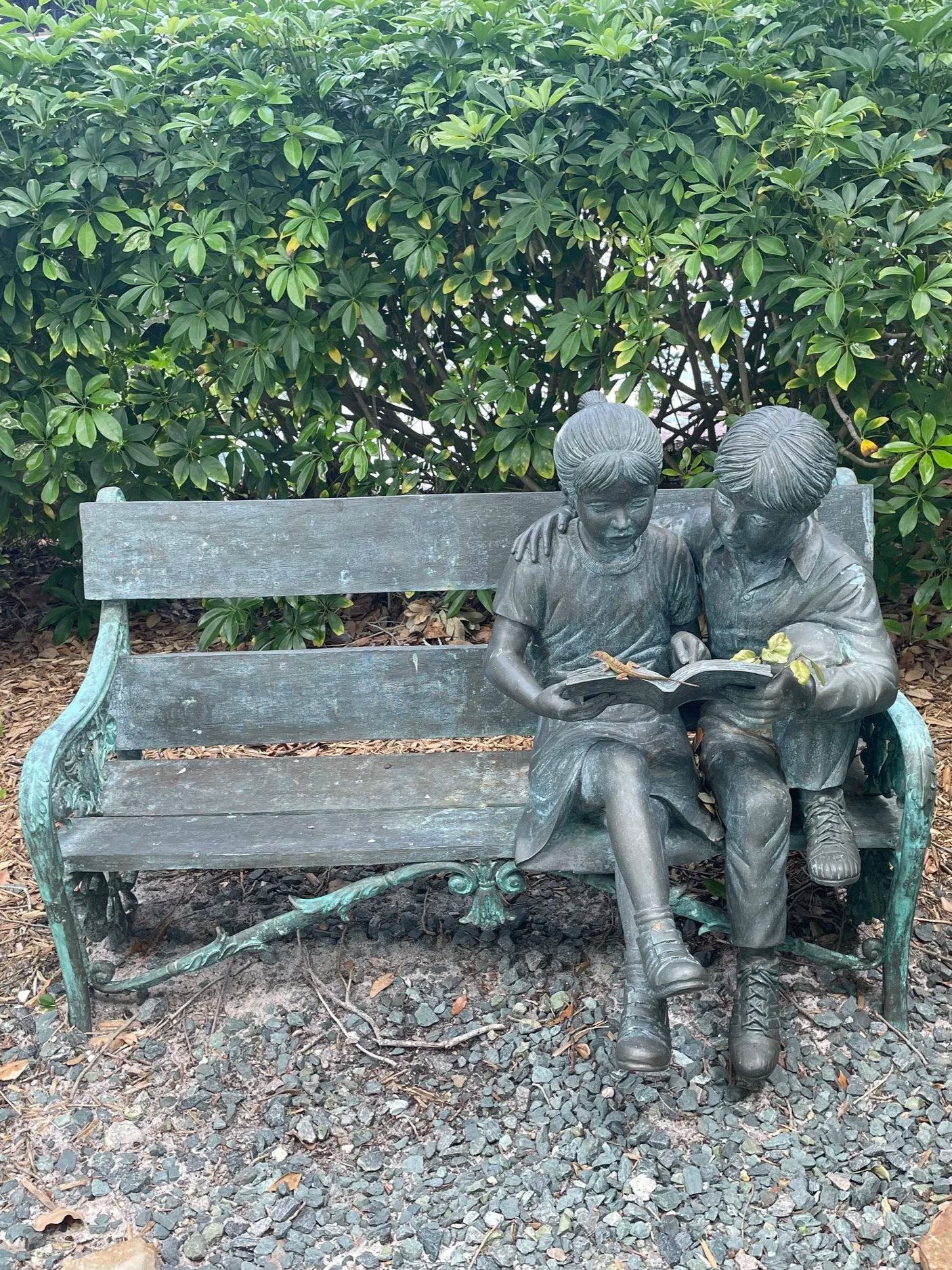
Have a casual conversation with a stranger:
Not to network or become acquaintances, but simply to remind yourself that everyone comes with a world, yet we can communicate with each other.

Reclaim public spaces:
Spend an afternoon in a communal space, a park, public library, or museum lobby, without spending a single cent. Just sit, observe, read, and exist alongside others.
Find peace in what already exists.
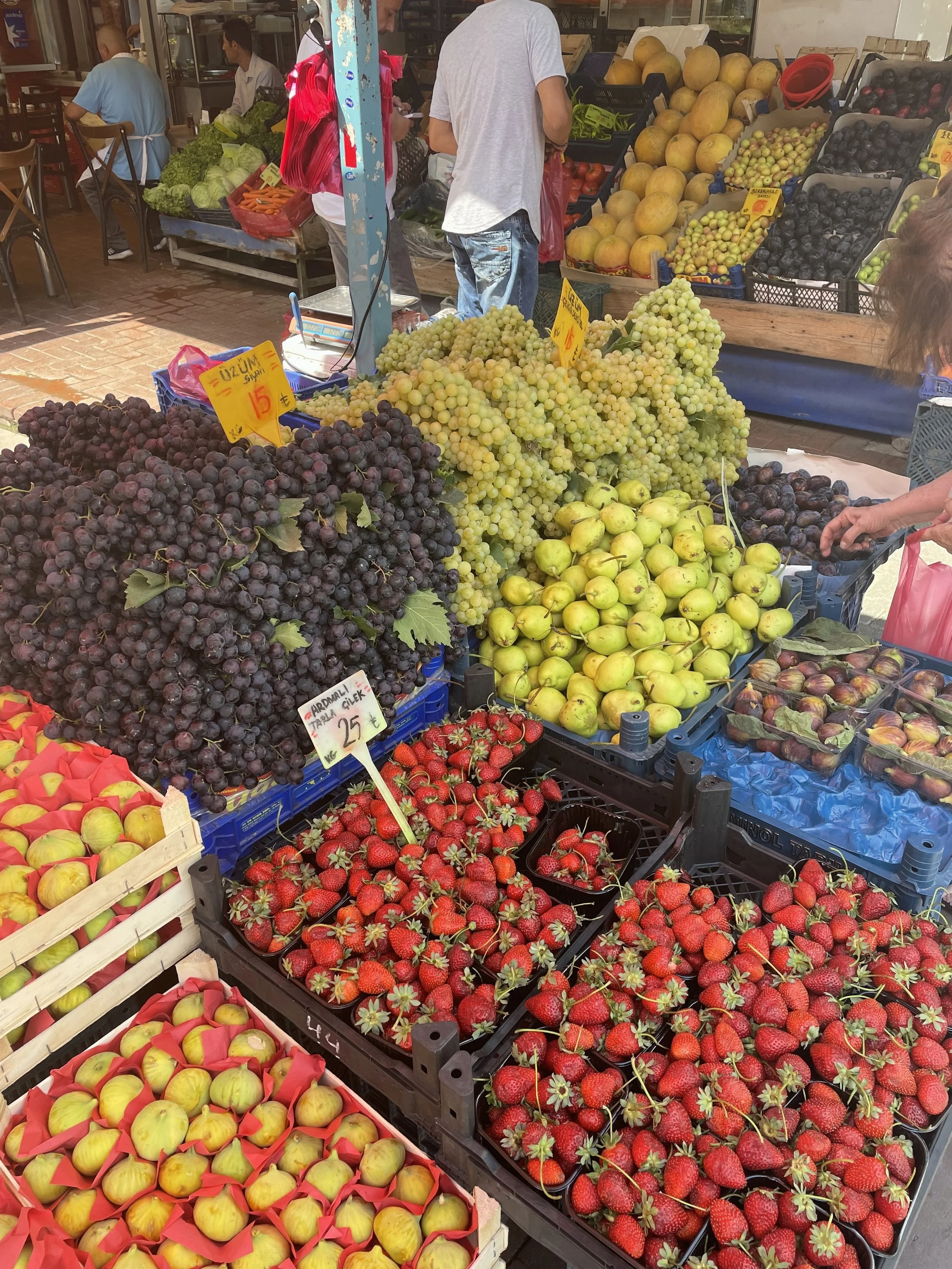
Consider swapping convenience for effort:
Skip one service this week. Do your own grocery shopping instead of ordering in. Maybe walk that short distance instead of taking the bus. Cook that meal at home with the limited ingredients you already have. Be creative!
Shift everyday behaviors.
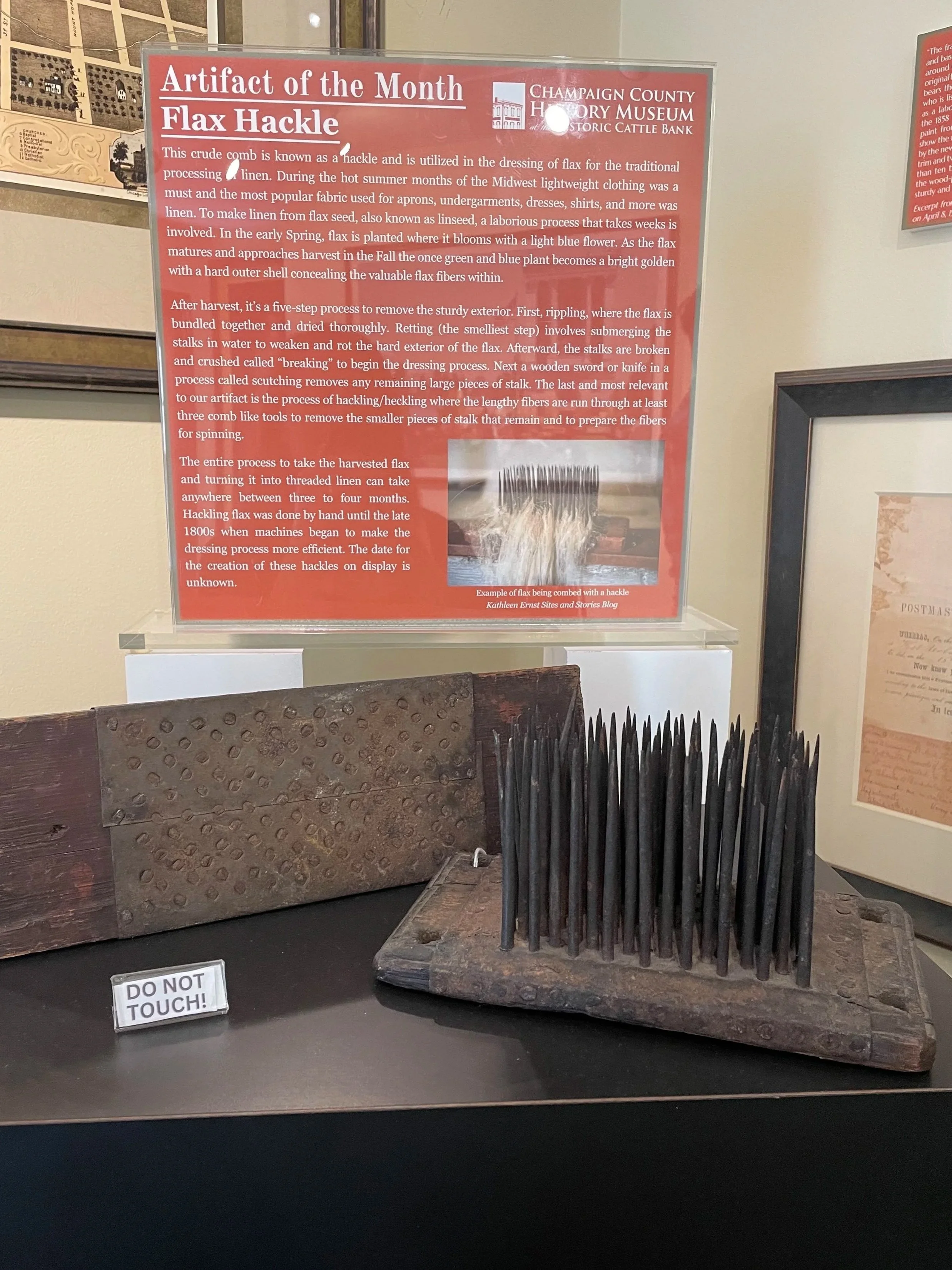
Learn how to use a tool:
To fix something or make something. Learn how to mend a tear in your clothes with a needle, adjust your bicycle chain, or tighten loose furniture with a screwdriver. Offer this new skill to your friends and family.
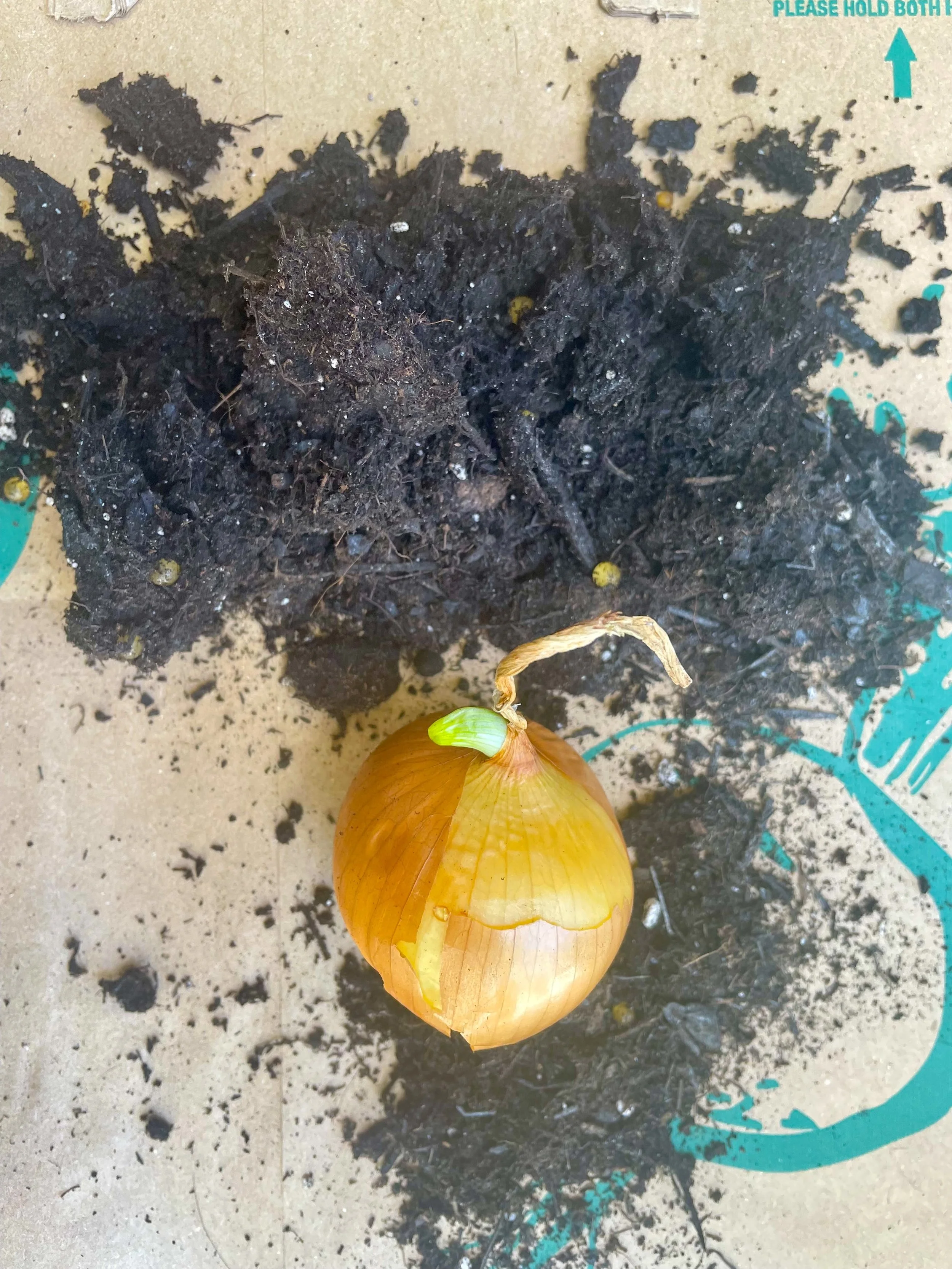
Reconsider what waste means:
Observe how much waste you’re producing daily and re-evaluate if you can lower it. Think if you can replace some of the items with reusable ones. And also think, if some of the items can be repurposed instead for a different use. If you are up for more creativity, use your leftover food for painting. Coffee, beet roots, and berries are great start.
You don’t have to do all of these at once. See which ones are more suitable for who you are and where you live. Perhaps you’re already doing some of them, then maybe there are other small actions to consider. If you want to take it a step further, consider writing down a couple of sentences after you mindfully practice something from the list. Handwritten is better of course, but a phone memo would also work.
As you test these small interventions out, pay attention: How do they make you feel? Do you notice a shift in your pace or perspective? Do you feel a bit more grounded and still, like those rocks we talked about?
