From self-sufficiency to co-sufficiency
Part 1
Words by Bilge Merve Aktaş
One of the main motivations behind founding the yurt collective was to find ways to rely less on external systems and become more resourceful ourselves.
We aren't the first to seek this path. Ideas around "self-sufficiency" have been gaining traction on social media, with more and more people yearning to change their lifestyles.
Usually, self-sufficiency is framed as having the the capacity and abilities to maintain life without needing much external assistance. Sometimes it’s about growing your own food or generating off-grid energy. Sometimes it’s about financial independence from centralized systems. And sometimes, it’s about your mental wellbeing and learning not to seek external validation.
Surely, some of these goals are more doable than others. But even the most realistic ones, how realistic are they? Is total self-sufficiency actually possible? Can a person expand their abilities to an extent that they are fully on their own?
I don’t think so.
Simply put, humans cannot survive in isolation; not socially, not physically, and certainly not biologically. We need oxygen, sunlight, and billions of bacteria just to stay alive. We need tools to farm, make or build. And we need other beings to talk with, walk alongside, and share stories with.
So what do we actually mean in yurt collective when we talk about being "less reliant" on the external systems if it’s not about isolating the self from the external world?
We suggest finding harmony between being a recipient and being a provider.
Right now, that harmony is broken for most people in many parts of the world. Many people, especially those holding power and privilege, have tuned out everything beyond their immediate circle. Focusing solely on personal comfort and individual future has created a deep imbalance of relying on receiving. It damages the natural ecosystems, fractures societies, and leaves many feeling unfulfilled.
Lack of caring for other beings, be it other people, animals, plants, rocks, mountains, rivers or anything that exists but not directly benefit us, creates a false sense of comfort and security. The reality is the opposite. Hyper-focusing on the individual, or one species, makes people fragile. Without meaningful connections, we lose our resilience.
Learning from a Rock
When I think about bringing the balance back, I often think about rocks.
Does a rock need anything to simply be what it is? Does it demand more sunlight or less rain? Not in the sense that our human brains are able to comprehend. A rock doesn't strive, desire or intend, it simply stands still, welcoming whatever the environment brings.
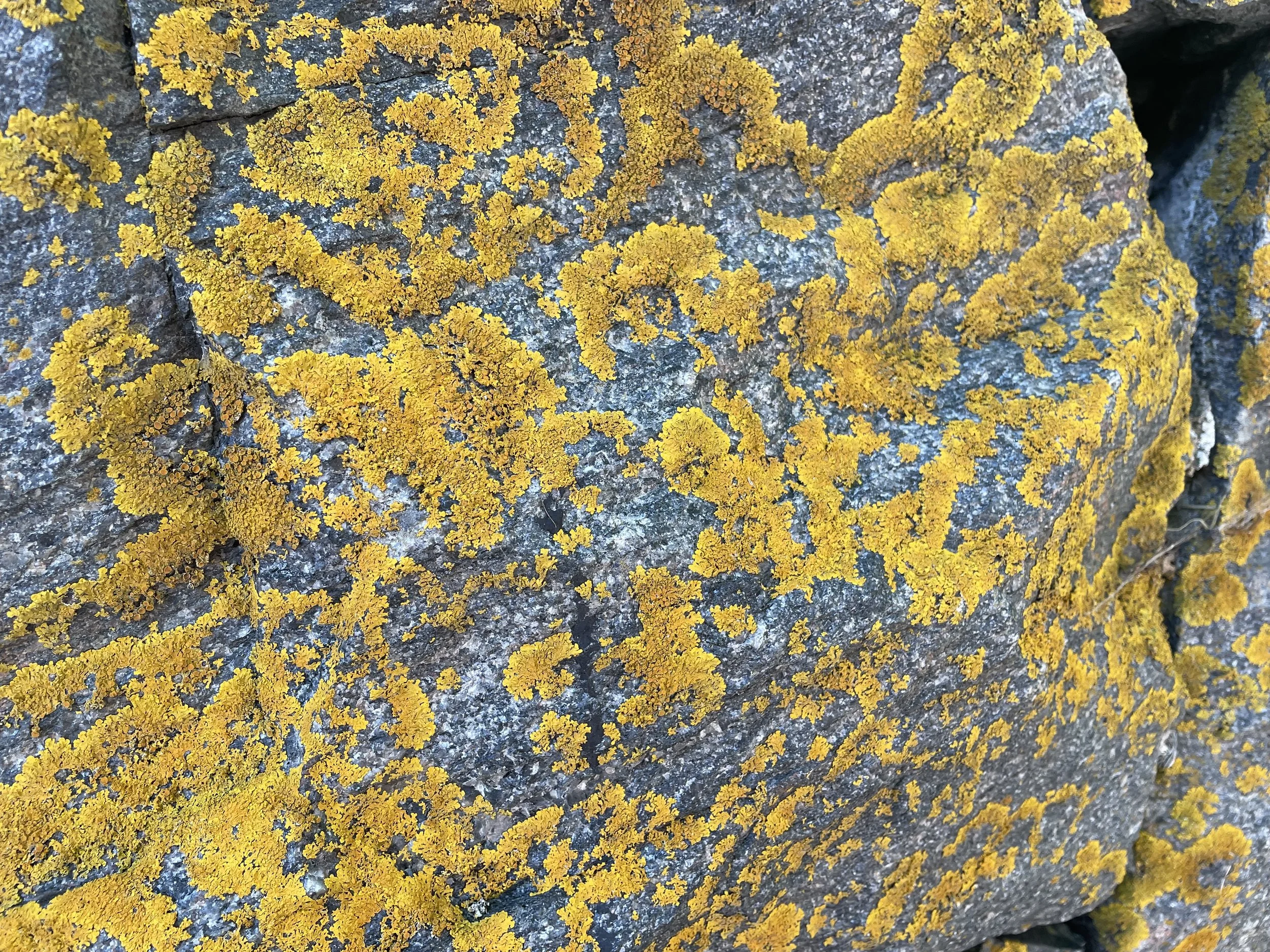
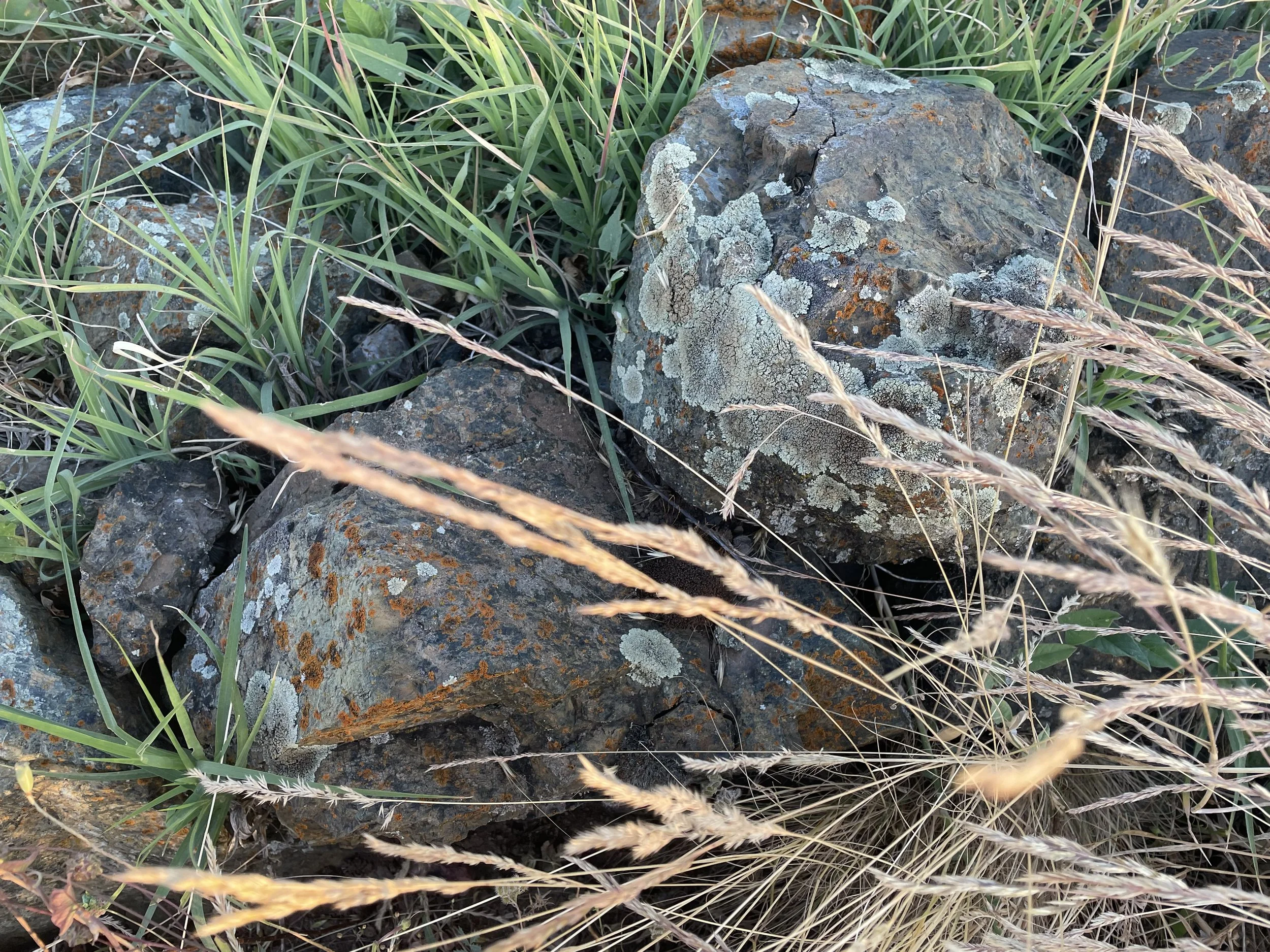
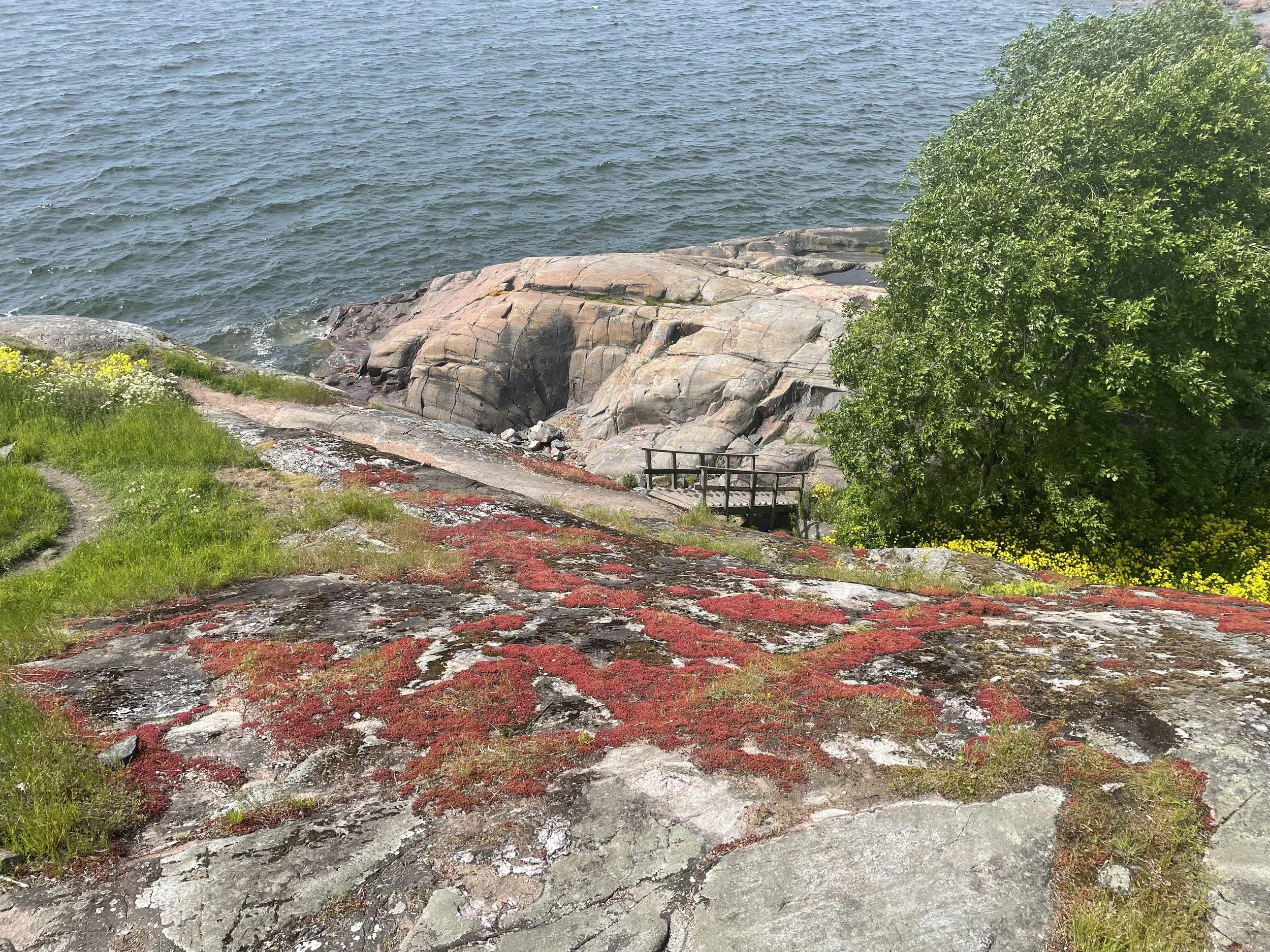
It enjoys being and welcomes whatever surrounds it. Yet, in its quiet stillness, a rock becomes an entire ecosystem. It provides a sanctuary for moss, insects, lichens. It has offerings for humans too; we admire them, rest on them, and even collect them.
The harmony for sufficiency is maybe this: being content with who you are and what you have, while simultaneously allowing yourself to become other things for and with other beings. In a way, being sufficient together with others, kind of like co-sufficing.
Co-sufficiency isn't about doing everything yourself. It’s about being mindful of the services we receive and we provide. And knowing not every need deserves to be catered to us, but we don't have to carry the weight of the world on our shoulders either. It is about the willingness for expanding some capacities, slowing down, challenging the idea of ownership, and sharing what we can.
A path to co-sufficiency is to make things happen but also let things happen to you. Like a rock, standing still for thousands of years, holding space for soil, trees, and communities while remaining humble enough to be shaped by them. Moving from aiming for independency to enjoying the interdependencies.
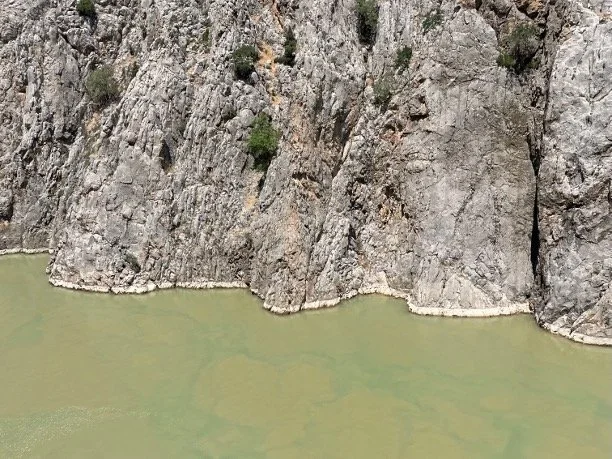
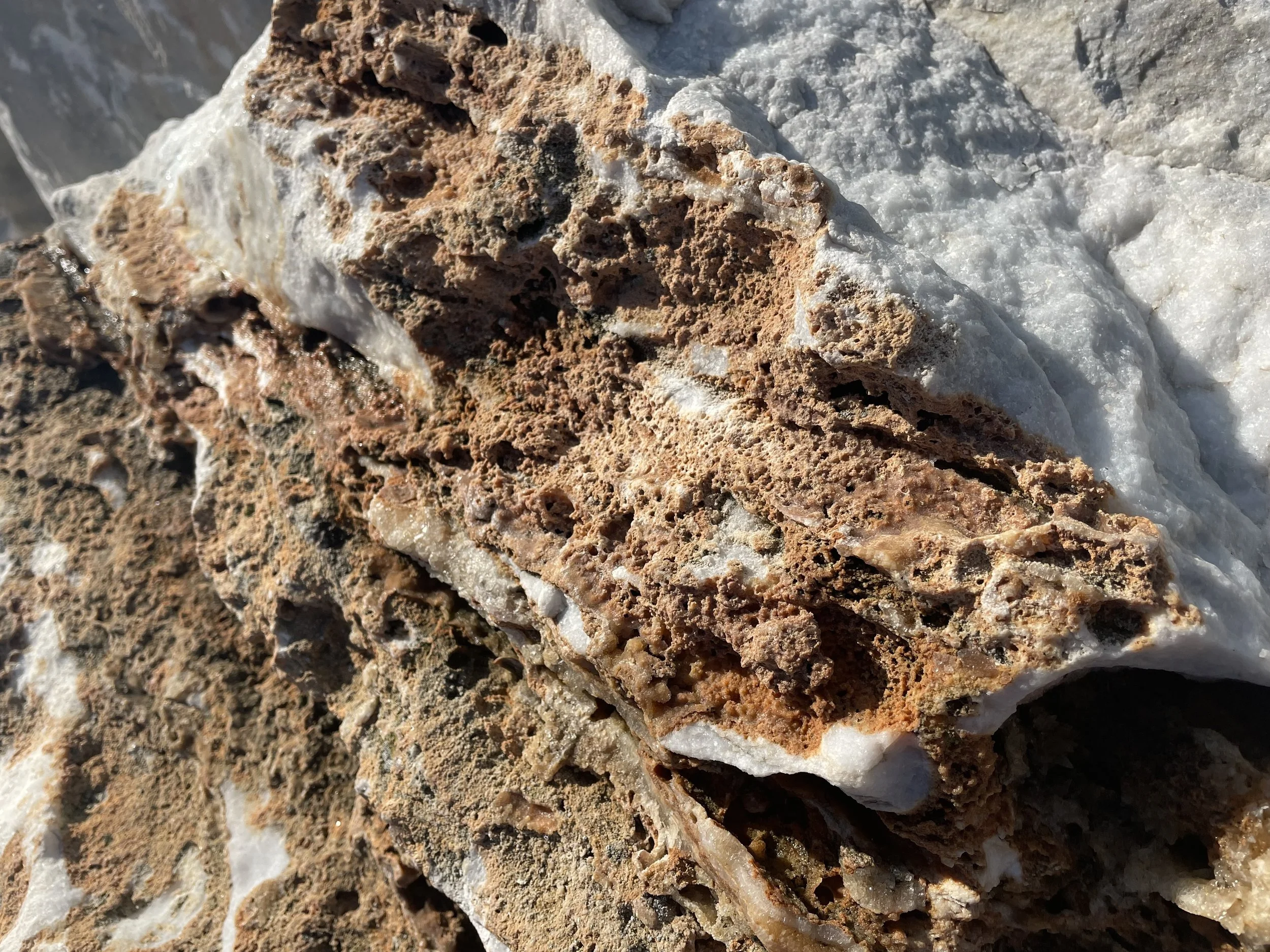
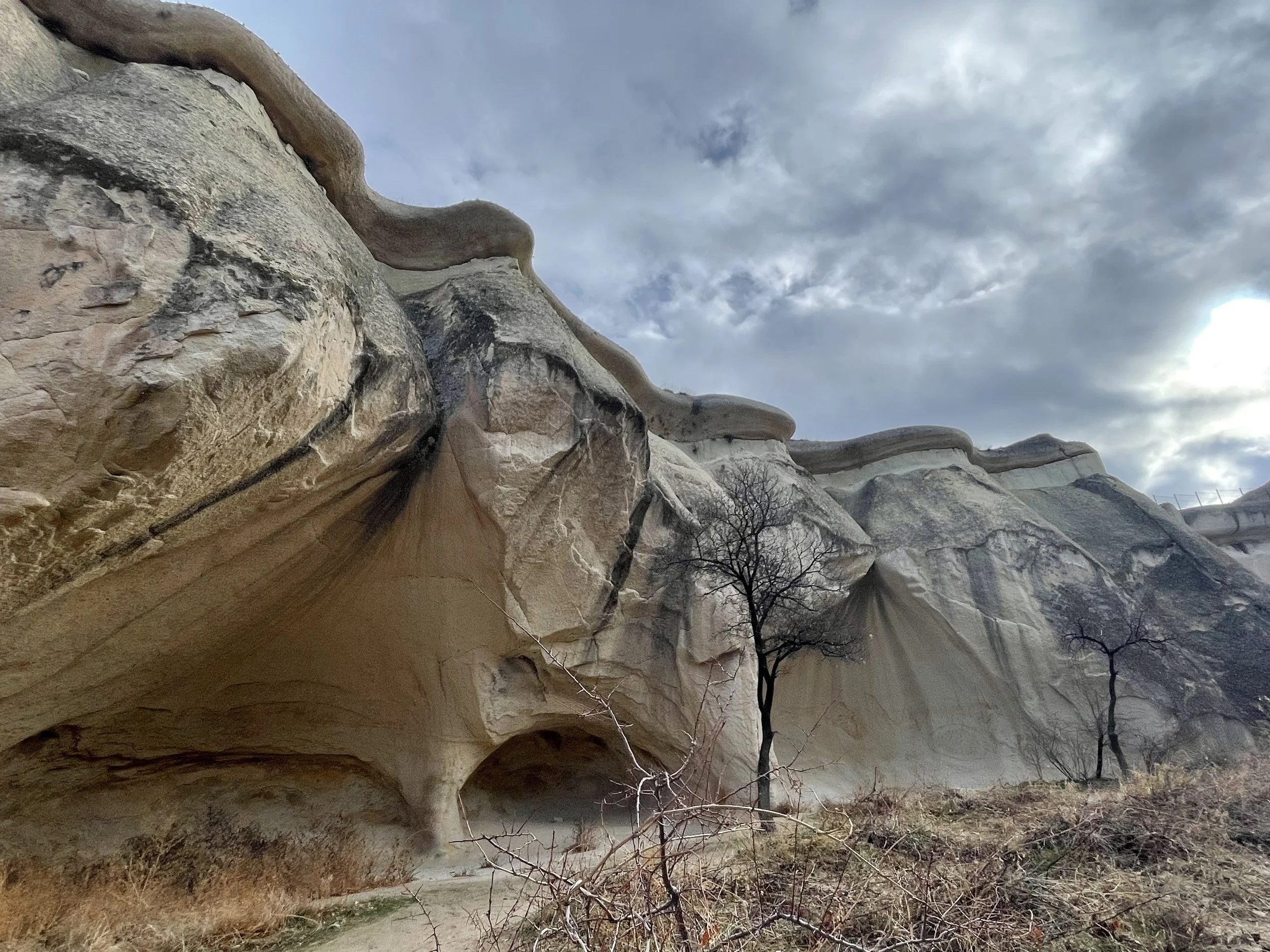
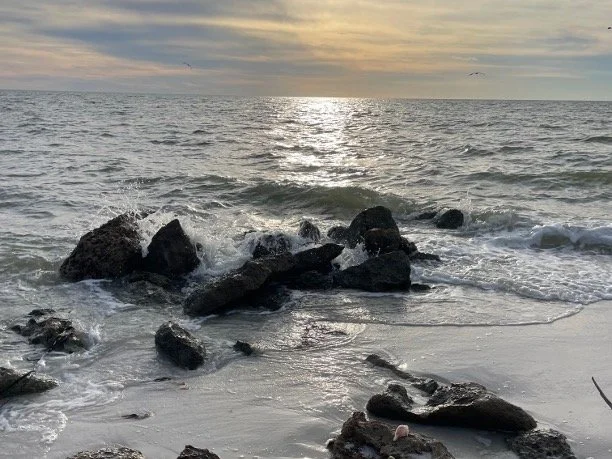
While the ideas are fresh, here is a selection of rocks. Perhaps they’ll spark some joy for you too, just like they do for us.

Photos by yurt collective
