Making Time: reflections after the drawing workshop
It is often said that one needs to spend 10,000 hours practicing a skill to become a master of it, like a carpenter or a musician. This amounts to approximately five to six years of full-time work. Reflecting on people’s journeys toward mastery, American sociologist Richard Sennett draws attention to how one’s relationship with a practice changes over time: while a beginner is primarily concerned with the technicalities of a new practice, as they improve, they begin to feel more fully and think more deeply. According to Sennett, it is at the stage of mastery that one’s attention shifts toward ethical questions concerning their craft.
Although such maturation is rewarding, even at the early stages of skill acquisition, so, within a much shorter period, one can begin to reap the fruits of making time. For one thing, socio-emotional engagement with a practice compels a person to regulate their emotions. Skill acquisition requires working through feelings such as fear of failure, frustration at not being able to make things as planned, anger over unsatisfactory results, and curiosity that drives one to keep trying and improving.
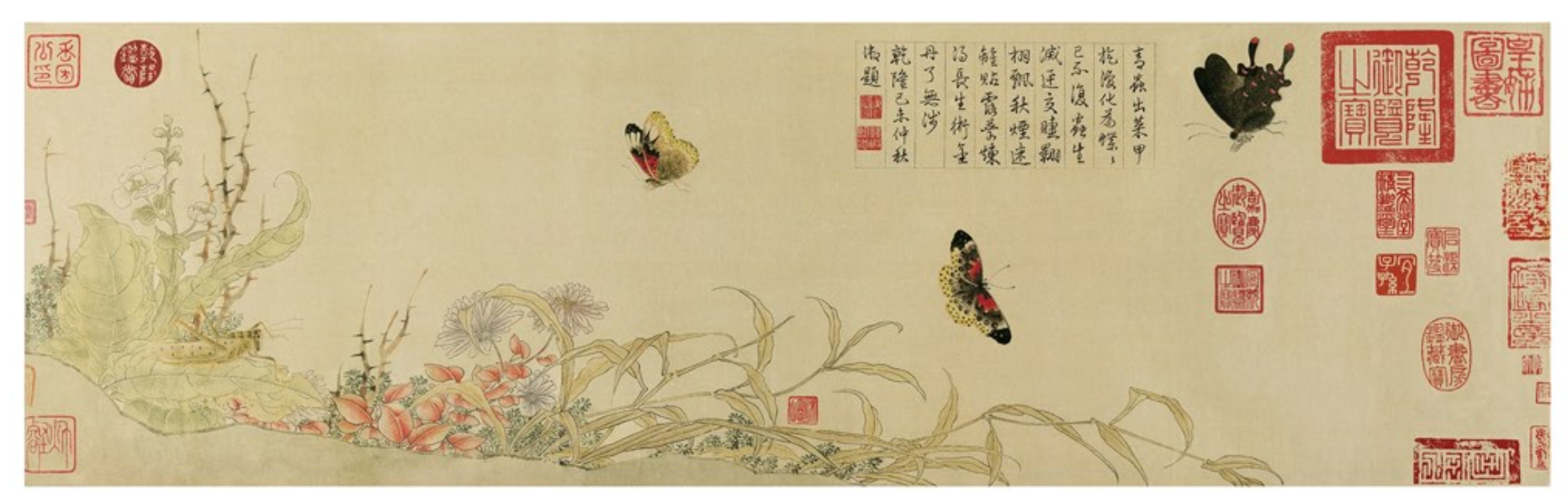
Zhao Chang (ca. 959–1016), Song Dynasty Hand scrol, ink and color on paper, 27.7x91 cm Palace Museum, Beijing
Although going through these stages may not exactly resemble the ethical questions typically embedded in making things, such as those concerning resource use, accessibility, availability, or representation, the dedication and perseverance involved are still virtues that relate to one’s ethical relationship with oneself.
Indeed, isn’t it powerful to make time for your own development, to refuse to give up on new endeavors, and to persist in finding a way through each new obstacle?
The real power behind acquiring a new skill lies in dedicating time to being with yourself: letting yourself fail, encouraging yourself to succeed, and enjoying the time you spend in your own company.
On March 15th, Çiğdem Nur Turhan, an architect based in Istanbul with a background in film and visual arts, shared her journey of immersing herself in charcoal drawing and oil painting. Her practice is inspired by the “Six Principles of Chinese Painting,” which offer recommendations for artists in developing their work. She also explored Bargue Plates as part of a more academic approach and created her own Zorn Palette.
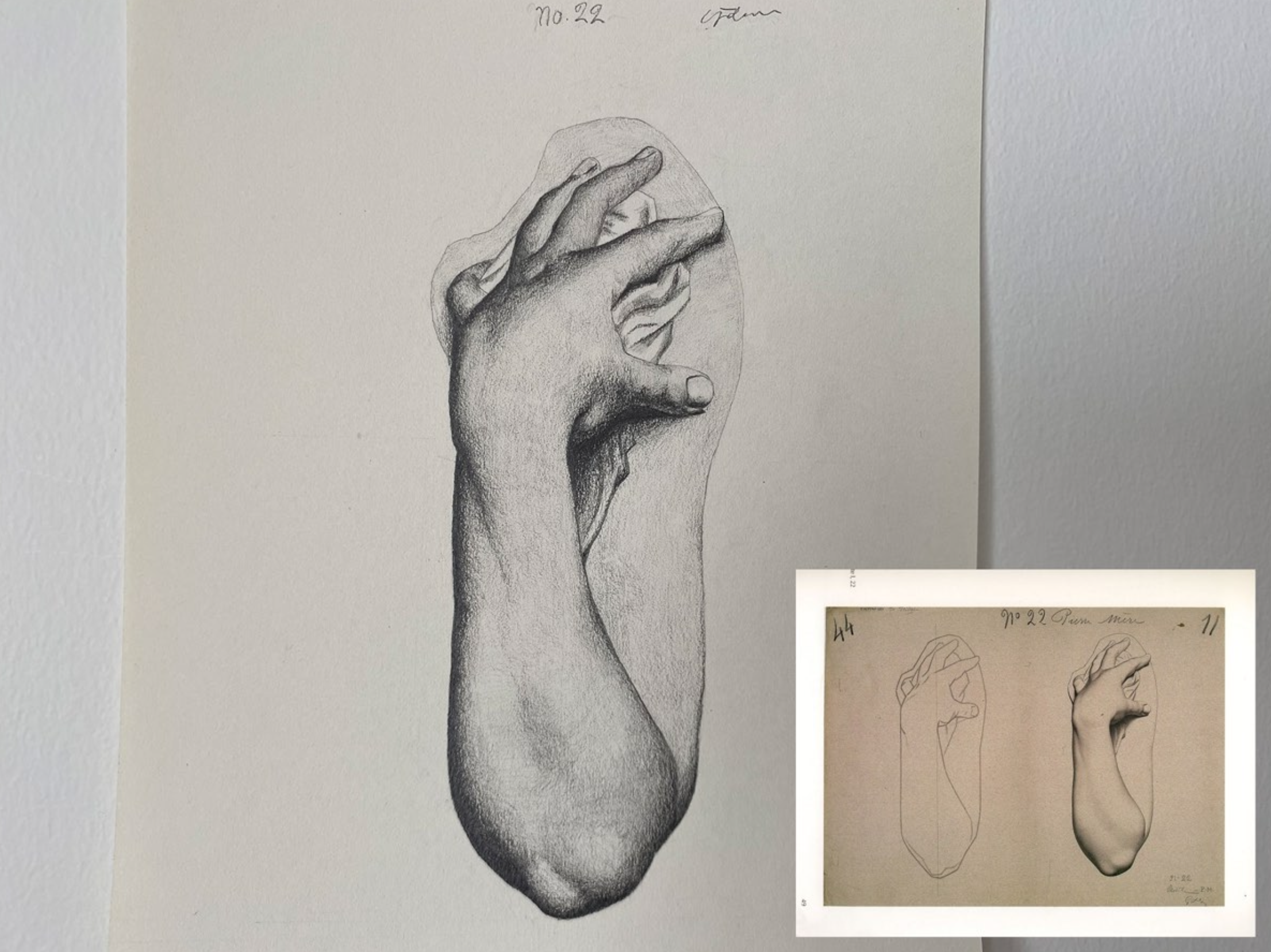
Bargue plate work by Çiğdem. Photo: Çiğdem Nur Turhan
After Çiğdem presented her works, she proposed two tasks for participants to complete during the workshop:
Draw a horse in motion in a few seconds
Draw a cat using a single continuous line
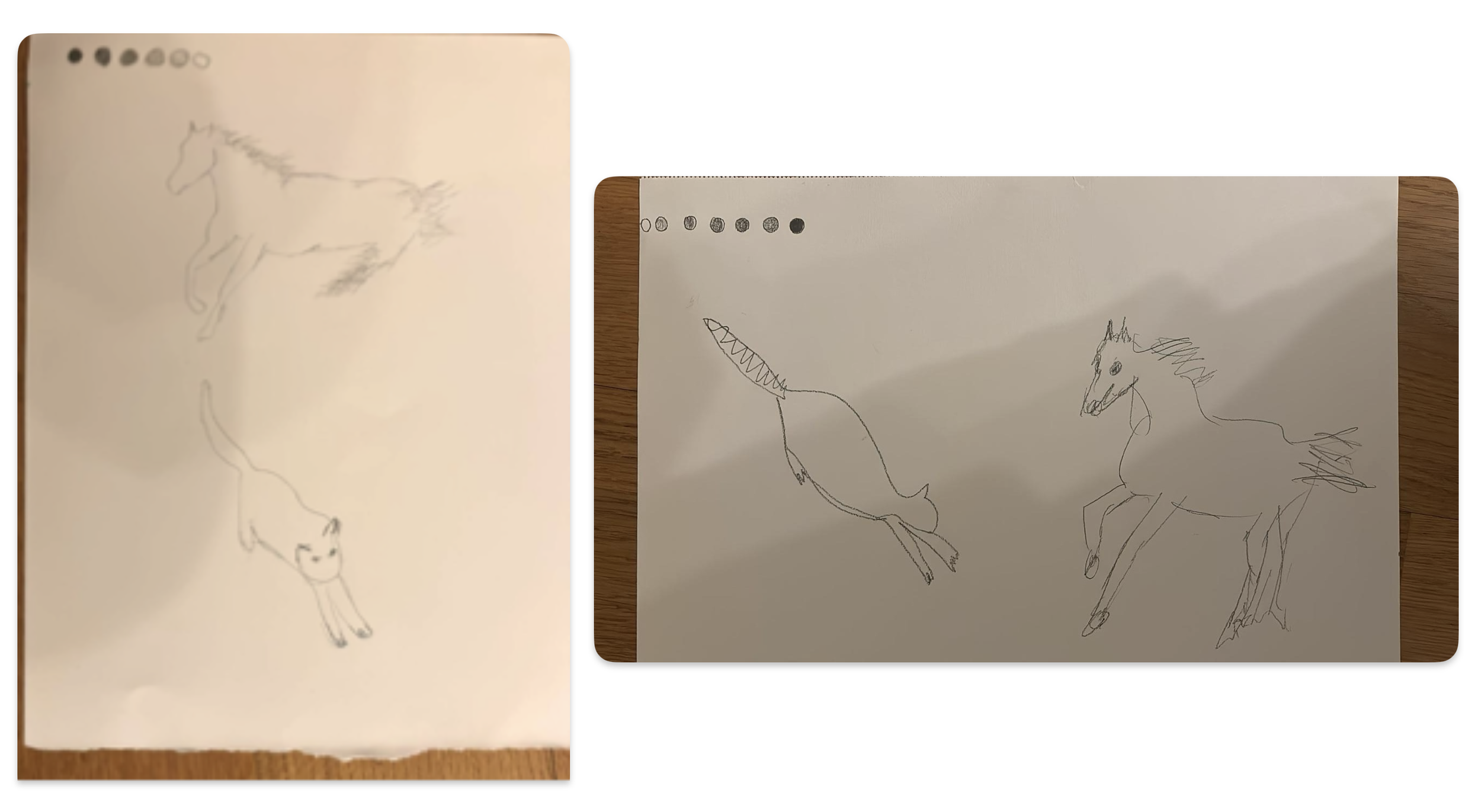
Samples by the workshop participants.
Who would have guessed that these tasks could be executed fairly well in only a few seconds? And with this newfound confidence, who can anticipate what the next exploration might be for some of the participants?
Here is another question: if working to sharpen new skills can indeed become an empowering act, what is one skill you would like to explore, and in which areas of your life might this skill empower you?
Bargue, C. (2003). Charles Bargue drawing course: with the collaboration of Jean-Léon Gérôme. (No Title). Download open book.
Sennett, R. (2008). The craftsman. Yale university press.
